How Landscape Lighting Improves Home Security in the GTA
By Sarah Blackwell | June 2026
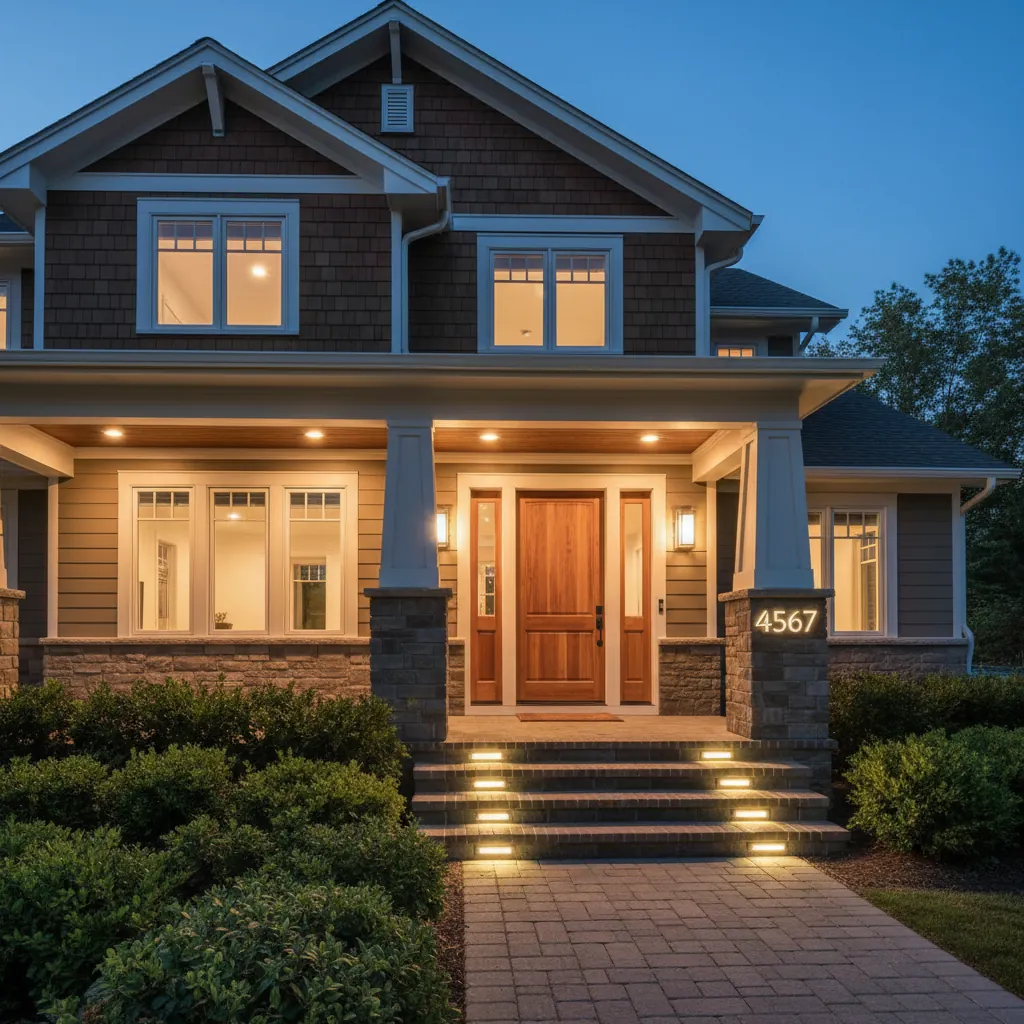
Strategic landscape lighting is one of the most effective, affordable home security investments homeowners can make. Well-designed outdoor lighting deters criminal activity, improves personal safety, enhances property security, and increases perceived property value. Research shows that properties with comprehensive outdoor lighting experience significantly fewer break-ins and property crimes. This guide explains how landscape lighting contributes to home security and outlines professional security lighting design strategies for GTA homeowners.
The Crime Deterrence Effect
Criminals prefer darkness. Studies by the FBI and Canadian law enforcement consistently show that well-lit properties experience significantly lower crime rates than poorly illuminated properties. Outdoor lighting eliminates shadows and dark areas where intruders hide, conduct surveillance, or target vulnerable entry points. Properties that appear occupied and well-maintained (visible through adequate lighting) are consistently avoided by criminals who prefer easy targets. A 2024 study of Toronto neighbourhoods found that properties with comprehensive security lighting experienced 37% fewer break-in attempts than comparable properties without outdoor illumination.
Strategic Placement for Security
Entry Point Illumination: Ensure all entry doors (front, side, back, garage) are well-lit with focused lighting that illuminates the entire door area and surroundings. Position fixtures 6-10 feet from doors, aimed to illuminate door handles, locks, and surrounding space. This allows homeowners to see visitors clearly and prevents intruders from working in shadow.
Perimeter Lighting: Install lighting around property perimeters, including fence lines, boundary areas, and corners. Evenly spaced fixtures prevent dark gaps where intruders can hide or work unobserved. Create continuous illumination around property edges, making intrusion attempts highly visible.
Ground Level Visibility: Position fixtures at heights that illuminate ground-level areas where intruders work. Ground-level uplighting reveals suspicious activity, whereas overhead lighting can create shadows at ground level where criminals operate. Strategic fixture placement at 3-6 feet height provides optimal visibility of ground-level activities.
Architectural Features: Illuminate architectural details, exposed fasteners, alarm system components, and security features. Highlighting these elements signals investment in security measures that sophisticated intruders recognize and avoid.
Driveway and Approach Illumination: Well-lit driveways and property approaches prevent intruders from approaching unobserved. Position fixtures to illuminate vehicle access points, approaches to entry doors, and transition areas between public streets and private property.
Motion-Activated Lighting Systems
How Motion Sensors Work: Motion-activated fixtures remain dark during normal periods but illuminate immediately when movement is detected. This sudden illumination surprises intruders, exposes them to external observation, and signals that the property has active security measures. Modern motion sensors are highly adjustable, detecting movement within specified distances and timing parameters.
Optimal Sensor Placement: Position motion sensors at entry points, approaches, corners, and areas vulnerable to unauthorized access. Typical sensor ranges are 20-40 feet depending on model. Aim sensors to detect approach movement without triggering nuisance activations from passing traffic or animals. Professional installers adjust sensor sensitivity and timing for reliability without false triggers.
Timing Parameters: Motion sensors typically remain active for 5-20 minutes after activation. Longer timing ensures sustained illumination if movement continues. Shorter timing reduces nuisance operation but requires readjustment for properties with frequent movement or pedestrian traffic.
Combination Approaches: Many professional security designs combine continuous ambient lighting with motion-activated flood fixtures. Ambient lighting provides baseline visibility while motion fixtures provide high-intensity illumination when movement is detected. This layered approach balances energy efficiency with security effectiveness.
Smart Motion Sensing: Advanced motion sensors distinguish between human movement and animal activity, reducing false triggers. Some systems integrate with smart home platforms allowing remote monitoring and adjustment via smartphone. These capabilities enhance security while reducing nuisance activations.
Security-Focused Lighting Design Principles
Eliminate Dark Areas: Identify all dark zones around your property - shadows created by shrubs, areas behind fences, corners between structures. Design lighting systems that eliminate these dark areas where intruders can hide or work unobserved. Use uplighting to reveal hidden areas and prevent shadow zones.
Create Visibility from Street: Ensure your property is visible from public streets, especially entry points and front facades. Properties that appear unoccupied or concealed by landscaping are targeted more frequently. Visible outdoor lighting signals an occupied, well-maintained property that's an unattractive target.
Illuminate Windows and Walls: Light exterior walls, windows, and architectural features. This reveals the home's condition, prevents intruders from working at windows unobserved, and creates the appearance of occupancy. Facade lighting is particularly effective for ground-floor areas.
Smart Lighting Control: Use timers or smart home integration to create the appearance of occupancy when homeowners are away. Programmable systems activate lights on schedules simulating natural occupancy patterns, deterring intruders who target properties they believe are empty.
Bright Colour Temperature: Security lighting typically uses cool white (4000K-5000K) colour temperatures that provide maximum visibility and brightness. While less aesthetically pleasing than warm lighting, cool temperatures enhance security effectiveness and are typically reserved for security-focused applications separate from ambient aesthetic lighting.
Complementary Security Measures
Visible Security Features: Complement outdoor lighting with visible security measures - alarm system signage, security camera mounts, deadbolts, and reinforced door frames. Properties displaying multiple security measures are avoided by sophisticated intruders who recognize well-protected targets.
Landscaping Maintenance: Well-maintained landscapes with trimmed shrubs and trees (preventing climbing to upper-level windows or hiding spots) combined with security lighting signals an engaged homeowner. Criminal targeting studies show that maintained properties with security measures experience significantly fewer break-ins.
Neighbourhood Watch Participation: Outdoor lighting complements neighbourhood watch programs and community policing efforts. Well-lit neighbourhoods experience lower crime rates as criminal activity becomes increasingly visible to residents and authorities.
GTA-Specific Security Considerations
Urban vs. Suburban Dynamics: Toronto urban properties face different security profiles than suburban GTA properties. Dense urban neighbourhoods benefit from perimeter and entry-point lighting reducing close-proximity intrusion risks. Suburban properties often require more extensive property perimeter lighting and motion-activated systems due to greater property depths and isolation.
Winter Considerations: Toronto's extended winter darkness (11+ hours daily November-January) amplifies security concerns. Comprehensive year-round security lighting is essential, particularly during winter months when properties remain dark during both morning and evening commuting times.
Professional Assessment: Licensed landscape lighting specialists can assess your specific property, identify security vulnerabilities, and recommend targeted lighting solutions. This professional assessment approach is more effective than generic security lighting recommendations.
Energy Efficiency and Security
LED technology enables comprehensive security lighting without excessive electricity costs. Modern 12V LED systems with motion sensors provide high-intensity illumination when needed while consuming minimal power during standby periods. Motion-activated systems are particularly energy-efficient, illuminating only when movement is detected rather than continuously throughout the night. Annual electricity costs for professional security lighting typically range $200-$400 CAD, a minimal investment for substantially improved home security.
Related Services
Related Articles
Professional security lighting expertise throughout Scarborough, Toronto, and the entire GTA.
View Scarborough Service AreaFrequently Asked Questions
How effective is outdoor lighting for crime prevention?
Very effective. Studies show well-lit properties experience 37% fewer break-in attempts than poorly illuminated properties. Criminals avoid properties where their activities would be visible. Lighting eliminates dark areas where intruders hide and work unobserved.
Should security lighting be warm or cool colour temperature?
Security-focused lighting typically uses cool white (4000K-5000K) that provides maximum brightness and visibility. While less aesthetically pleasing than warm white, cool temperatures enhance security effectiveness. Many properties combine cool security lighting with warm aesthetic lighting for balanced results.
Are motion-activated security lights effective?
Yes. Motion-activated lighting provides high-intensity illumination when movement is detected, surprising intruders and exposing them to observation. The sudden illumination signals active security measures. Motion sensors are particularly effective for driveways, entry points, and property perimeters.
How much does security lighting cost?
Security-focused lighting systems typically cost $2,000-$5,000 CAD for comprehensive property coverage including motion sensors and flood lighting. LED technology keeps operating costs low - approximately $200-$400 annually for electricity. The investment pays for itself through reduced insurance costs and theft prevention.
Can smart home integration improve security lighting?
Yes. Smart home integration allows programmable lighting schedules that simulate occupancy when homeowners are away. Remote smartphone control enables light activation from anywhere. These capabilities significantly enhance security effectiveness while providing convenience.
Improve Your Home Security With Professional Lighting
Schedule a free security assessment to identify lighting solutions that protect your GTA property while enhancing aesthetics and property value.
Get Free Design Consultation