Low Voltage vs Line Voltage Outdoor Lighting: What Toronto Homeowners Need to Know
By Sarah Blackwell | April 2026
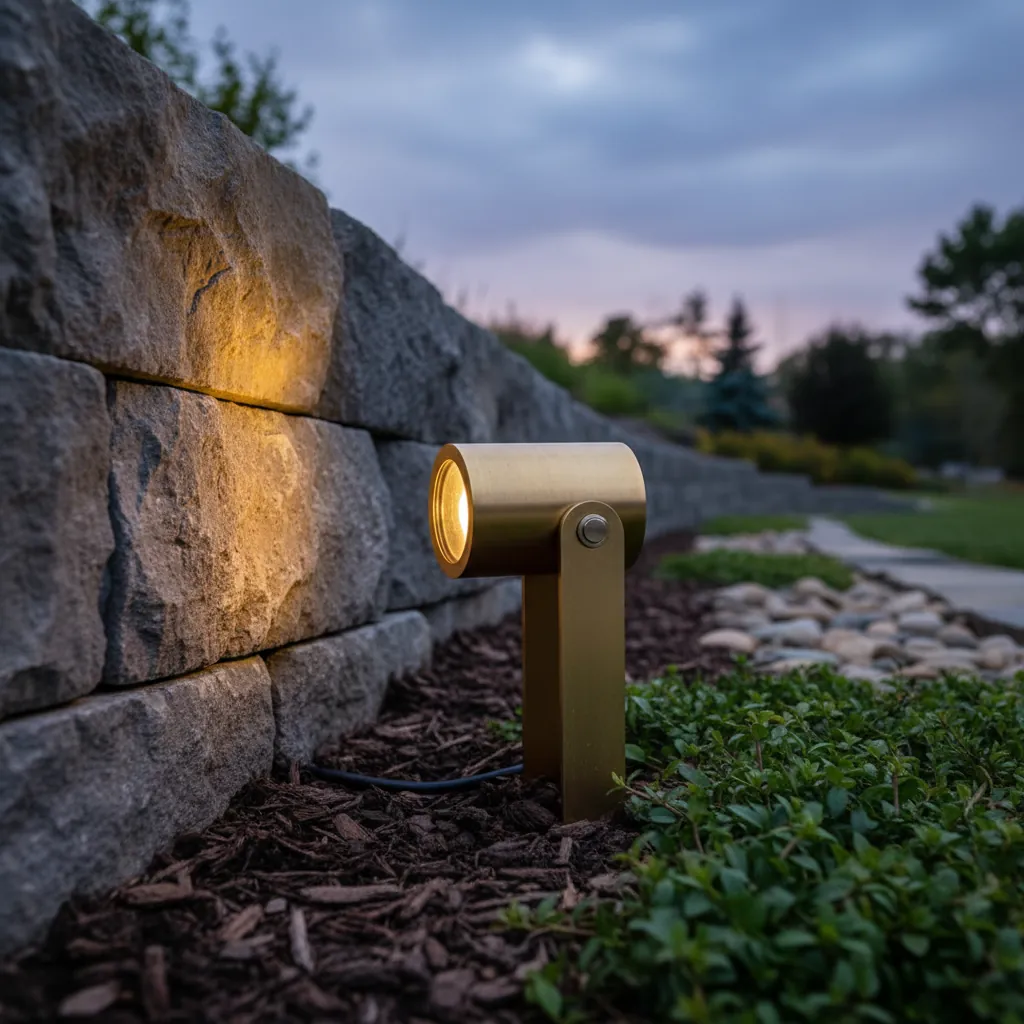
When planning your landscape lighting project in Toronto, one of the most important decisions is choosing between low voltage (12V) and line voltage (120V) systems. These two approaches differ fundamentally in safety, installation complexity, regulatory requirements, cost, and long-term performance. Understanding the differences will help you make an informed choice that aligns with your property's needs, budget, and Ontario electrical safety regulations.
What is Low Voltage Lighting?
Low voltage landscape lighting operates at 12 volts, stepped down from your home's standard 120V power supply using a transformer. The transformer reduces household voltage safely to 12V, which flows through outdoor-rated cables to fixtures installed around your property. Low voltage systems are the modern standard for residential landscape lighting in Canada.
What is Line Voltage Lighting?
Line voltage landscape lighting operates at full household voltage (120V) without voltage reduction. Fixtures and wiring are directly connected to standard outdoor electrical outlets or hardwired to your home's electrical panel. Line voltage systems were common in older homes but have largely been phased out in favour of safer low voltage alternatives.
Safety Comparison
Low Voltage (12V): Low voltage systems are inherently safer. At 12V, electrical shock risk is minimal, making low voltage ideal for residential properties and areas where children and pets are present. If wiring becomes exposed or damaged, the risk of serious injury is extremely low. All low voltage systems in Canada must include proper grounding and GFI (Ground Fault Interrupter) protection, providing multiple layers of electrical safety.
Line Voltage (120V): Line voltage systems present genuine electrocution hazards. At 120V, improper grounding, damaged wiring, or contact with moisture can cause serious injury or death. Line voltage systems require extensive protective measures including robust weatherproofing, proper grounding rods, buried cable protection, and professional installation. Even with precautions, line voltage systems carry inherent electrical risk unsuitable for most residential properties.
Ontario ESA Compliance and Permits
The Ontario Electrical Safety Authority (ESA) regulates all outdoor electrical installations in Toronto and the GTA. This regulatory environment heavily favours low voltage systems:
Low Voltage Systems: Systems below 150W are exempt from some ESA requirements. However, professional installers typically ensure full ESA compliance (inspections, documentation, and certification) regardless of wattage. This regulatory leniency reflects the inherent safety of low voltage technology.
Line Voltage Systems: All line voltage outdoor electrical work requires ESA permits, inspections, and certification. The installation process is complex, time-consuming, and expensive. Toronto municipalities rarely approve new line voltage landscape lighting installations due to safety and code compliance concerns. If a home has an older line voltage system, conversion to low voltage is typically recommended.
Installation and Maintenance Requirements
Low Voltage Installation: Low voltage systems are simpler and faster to install. A transformer is mounted on your home, outdoor-rated cables are trenched or concealed around your property, and fixtures are connected using waterproof connectors. Installation typically requires 1-3 days for a standard residential property. Maintenance is minimal - seasonal checks and occasional fixture adjustments.
Line Voltage Installation: Line voltage installation is complex and requires licensed electricians. Wiring must be buried at least 18 inches deep, protected with conduit, and installed according to strict electrical codes. Installation timelines extend to multiple days. Maintenance is more involved and requires licensed professionals, increasing long-term costs.
Cost Analysis: Initial Installation
Low Voltage System Costs: A typical 8-fixture low voltage system in Toronto costs $2,500-$6,000 CAD including transformer, fixtures, wiring, installation, and design. Individual fixtures range $80-$350 depending on style and brand (FX Luminaire, WAC Lighting, Kichler).
Line Voltage System Costs: Line voltage systems cost 15-25% less initially, approximately $2,000-$5,000 for comparable scope. However, this cost advantage is misleading because ongoing operating costs and regulatory complexity eliminate any real savings.
Cost Analysis: Long-Term Operating Costs
The true cost comparison emerges in operating expenses over 5-10 years. Low voltage LED systems use 80% less electricity than traditional halogen or incandescent fixtures. A typical 8-fixture low voltage LED system costs approximately $40-$60 monthly to operate ($480-$720 annually), while equivalent line voltage systems cost $200-$300 monthly ($2,400-$3,600 annually).
Over 5 years, the electricity cost difference totals $8,000-$13,000 in favour of low voltage LED systems. This substantial savings more than compensates for the higher initial installation cost. Additionally, LED fixtures have 50,000+ hour lifespans, meaning fixtures last 10-15 years before replacement. Halogen and incandescent bulbs in line voltage systems require annual replacement, adding $300-$600 in annual maintenance costs.
Performance and Reliability in Canadian Winters
Toronto's freeze-thaw cycles (temperature swings from -30°C to +5°C) challenge outdoor lighting systems. Premium low voltage fixtures from FX Luminaire and WAC Lighting are specifically engineered for Canadian climates, featuring:
- IP65+ waterproofing rated for -30°C operation
- Sealed connectors preventing water intrusion during freeze-thaw cycles
- UV-resistant lens materials maintaining clarity through winter weather
- Fixtures tested for 50,000+ hours of operation in extreme conditions
Line voltage systems using standard fixtures often fail prematurely in Toronto winters. Moisture infiltration, connector corrosion, and freeze-thaw material stress cause failures typically within 3-5 years. Professional-grade low voltage systems consistently perform 10+ years in Toronto conditions.
Design Flexibility
Low voltage systems offer superior design flexibility. Transformers support fixture additions without structural changes. Wiring can be easily rerouted or extended. Lighting effects can be adjusted, dimmed, or integrated with smart home automation. Line voltage systems are rigid - expanding a system requires electrician involvement and potential code recertification.
Final Recommendation for Toronto Homeowners
For Toronto homeowners, low voltage LED landscape lighting is the clear choice. Superior safety, Ontario ESA compliance, long-term cost savings, Canadian climate resilience, and design flexibility make low voltage systems the modern standard. The initial cost difference is recovered within 5-7 years through electricity savings, while line voltage systems are increasingly difficult to permit, maintain, and justify on any practical basis.
Related Services
Related Articles
Ontario ESA compliance is mandatory across the GTA including Vaughan, Markham, Mississauga, and all Toronto municipalities.
View Vaughan Service AreaFrequently Asked Questions
Which is safer - low voltage or line voltage?
Low voltage (12V) is significantly safer than line voltage (120V). At 12V, electrical shock risk is minimal. Line voltage at 120V can cause serious injury or death if wiring is damaged or contacted improperly.
Do I need a permit for landscape lighting in Toronto?
Most Toronto municipalities require permits for outdoor lighting installations, particularly line voltage systems. Low voltage systems may require inspection under Ontario Electrical Safety Authority requirements if they exceed 150W.
What is the cost difference between systems?
Line voltage systems cost 15-25% less initially, but low voltage systems save 80% in electricity costs annually. Over 5 years, low voltage LED systems generate $8,000-$13,000 in savings, making them more economical long-term.
Can I easily expand a low voltage system?
Yes. Low voltage systems offer superior design flexibility. Transformers support fixture additions without structural changes. Wiring can be easily extended or adjusted. Line voltage systems are rigid and require electrician involvement for any expansion.
How do Canadian winters affect landscape lighting?
Toronto's freeze-thaw cycles challenge outdoor systems. Premium low voltage fixtures from FX Luminaire and WAC Lighting are engineered for Canadian climates with IP65+ waterproofing and -30°C operation ratings. Standard line voltage fixtures often fail within 3-5 years in Toronto winters.
Choose Safe, Efficient Outdoor Lighting for Your Toronto Home
Schedule your free design consultation to explore low voltage lighting solutions tailored to your property and Ontario ESA compliance.
Get Free Design Consultation