Landscape Lighting Maintenance Guide: Canadian Winter Care
By James Chen | May 2026
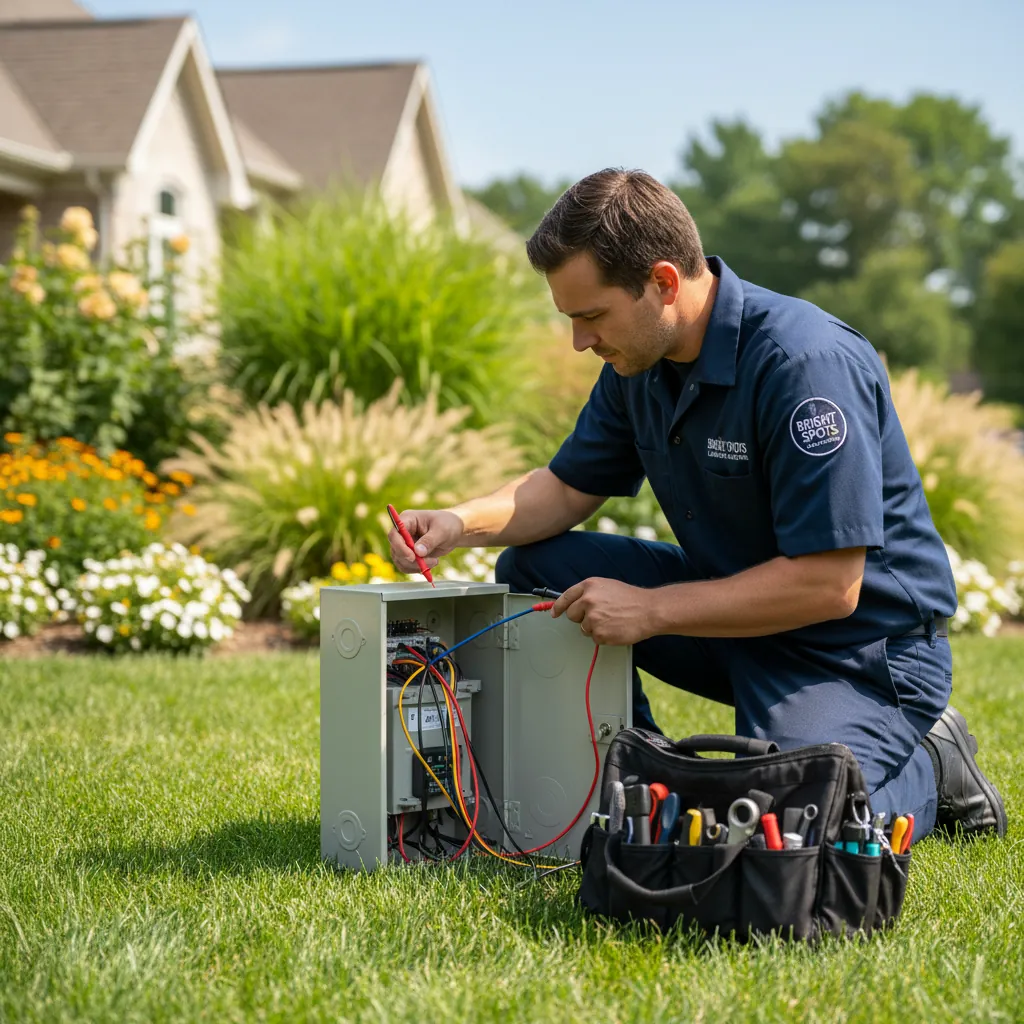
Toronto's extreme seasonal variations - ranging from -30°C winters to +25°C summers - challenge outdoor lighting systems in ways many homeowners underestimate. Freeze-thaw cycles, moisture infiltration, UV exposure, and heavy snow loads stress even premium fixtures. Proper maintenance extends system lifespan, prevents premature failures, and ensures reliable operation through Canadian winters. This comprehensive guide covers seasonal maintenance strategies specific to Toronto's climate.
Fall Preparation (September-October)
System Inspection: Before winter arrives, inspect your entire system. Check all fixtures for loose connections, water intrusion, or physical damage. Look for corroded connectors or discoloured lens covers indicating seal failures. Test the transformer and circuit breaker functionality.
Connection Weatherproofing: Inspect all outdoor connections and connectors. Apply dielectric grease to all connections to prevent corrosion and moisture intrusion. Dielectric grease is non-conductive, preventing electrical short circuits while protecting connections from freeze-thaw damage.
Lens Cleaning: Clean all fixture lenses with soft cloths and mild soap. Remove debris, leaves, and accumulated pollen that reduces light output. Inspect lens seals for degradation and replace lenses if cracks or cloudiness appears.
Transformer Maintenance: Inspect transformer mounting, wiring connections, and weatherproofing. Ensure drain holes remain clear. Test voltage output to confirm proper operation before extended winter use.
Winter Operations (November-March)
Protecting Against Snow Damage: Toronto's average winter snowfall of 130-150 centimetres can damage fixtures. Clear heavy snow accumulations from fixture tops to prevent weight-related failures and light blockage. Gently remove snow rather than applying force that could crack housings. After snow removal, allow fixtures to warm gradually rather than pouring hot water (which causes thermal shock).
Freeze-Thaw Cycle Management: As temperatures swing from below -30°C to above freezing repeatedly, expansion and contraction stress connections and seals. Premium fixtures from FX Luminaire and WAC Lighting are engineered for this stress, but proper maintenance prevents failures. Ensure transformer drain holes remain clear of ice blocking condensation drainage.
Wiring Inspection: Inspect visible wiring periodically, particularly after freeze-thaw events. Look for insulation cracking or exposure. Snow removal equipment can accidentally damage buried cables. Mark cable routes with small flags to alert snow removal teams.
System Operation Testing: Test your system monthly throughout winter. Confirm all fixtures illuminate and that circuit breakers function properly. Early detection of winter-related failures prevents complete system shutdown mid-season.
Spring Restoration (April-May)
Complete System Inspection: After winter's harsh conditions, conduct thorough system inspection. Test all fixtures for proper operation. Inspect fixtures for water accumulation indicating seal failures. Look for corrosion or mineral deposits on connections. Document any damage discovered during winter.
Lens and Housing Cleaning: Remove winter accumulated dirt, salt spray residue, and mineral deposits. Clean lenses carefully with lens cleaner appropriate for outdoor fixtures. Inspect fixtures for physical damage from snow removal equipment or freeze-thaw stress.
Connector Reconditioning: Reapply dielectric grease to all connections. Even premium IP65-rated fixtures benefit from protective coating renewal. Reconditioning connections extends system lifespan and prevents corrosion.
Landscape Restoration: Remove winter debris from around fixtures. Clear leaves, branches, and accumulated soil that impedes light distribution. Check that landscaping changes made over winter don't block fixture beams.
Voltage and Load Testing: Conduct voltage drop calculations and load testing to ensure transformer efficiency. Compare spring voltage readings to baseline readings from system installation. Significant variations indicate potential transformer or wiring issues requiring professional evaluation.
Summer Maintenance (June-August)
Landscaping Management: Summer growth can block fixture light distribution. Trim tree branches and shrub growth that overshadows fixtures. Clean overgrown vegetation away from fixtures to ensure proper heat dissipation and visibility.
Bulb and Fixture Replacement: Even LED systems occasionally require fixture replacement due to physical damage. Replace any non-functioning fixtures promptly. Keep replacement fixtures of matching brands (FX Luminaire, WAC Lighting, or Kichler) to maintain system consistency.
Timer and Controller Testing: Test outdoor lighting timer functionality and controller settings. Ensure automatic operation begins at appropriate sunset times. Adjust operation schedules as sunset times shift through summer seasons.
Annual Professional Maintenance
While homeowners can perform seasonal inspections and basic maintenance, professional annual maintenance ensures comprehensive system health. Professional technicians conduct detailed electrical testing, load calculations, grounding verification, and equipment condition assessment. They identify potential failures before they occur, replace worn components preventively, and document system performance over time. Professional maintenance typically costs $300-$600 annually but prevents expensive emergency repairs and extends system lifespan significantly.
LED vs. Halogen Maintenance Differences
LED Maintenance: LED systems require minimal maintenance. Fixtures last 50,000+ hours (10-15 years). Primary maintenance involves lens cleaning, connection inspection, and landscaping management. LEDs generate minimal heat, reducing thermal stress on fixtures and seals. Modern LED systems are remarkably durable in Canadian climates when properly installed and maintained.
Halogen Maintenance: Halogen systems require bulb replacement annually or bi-annually depending on usage. Halogen fixtures generate significant heat that accelerates seal degradation and plastic component breakdown. Heat causes moisture evaporation differential that compromises seals during cooling cycles. If your system still uses halogen fixtures, upgrading to LED technology eliminates ongoing halogen replacement costs and improves freeze-thaw resilience substantially.
Signs Your System Needs Professional Attention
- Multiple fixtures failing simultaneously (indicates transformer or circuit issues)
- Water accumulation inside fixture housings (seal failure requiring replacement)
- Visible corrosion on connectors or wiring (electrical hazard requiring remediation)
- Flickering or dimming lights (transformer voltage drop or load issues)
- Unusual humming or buzzing sounds from transformer (internal component failure)
- Circuit breaker tripping frequently (overload or short circuit conditions)
- Voltage reading significantly lower than initial installation (wiring degradation)
Preventative Maintenance Cost-Benefit
Annual professional maintenance costs $300-$600 but prevents expensive failures. Emergency repairs when systems fail mid-season cost $800-$2,000+. Complete system replacement for severely degraded systems costs $5,000-$15,000+. Regular preventative maintenance extends system lifespan from 10-15 years to 15-20+ years, providing obvious cost-benefit justification.
Related Services
Related Articles
Maintenance expertise across Richmond Hill, Mississauga, Toronto, and all GTA municipalities.
View Richmond Hill Service AreaFrequently Asked Questions
How often should I maintain my landscape lighting?
Monthly system testing during winter, seasonal inspections (fall, spring, summer), and annual professional maintenance ensures optimal performance. Light bulb replacement varies by type - LED fixtures rarely need replacement but halogen bulbs require annual or bi-annual changes.
How do freeze-thaw cycles damage lighting systems?
Freeze-thaw cycles cause expansion and contraction in electrical connections and fixture components. Water trapped inside fixtures freezes, expanding and cracking housings or seals. Repeated cycles eventually cause failures. Premium fixtures with proper sealing resist freeze-thaw stress better than standard fixtures.
Should I turn off my lighting system during winter?
No. Leaving systems operational through winter actually helps. Fixture operation generates slight heat that prevents moisture accumulation and promotes natural drainage. Turn off systems only if you're away for extended periods or if professional inspection reveals damage requiring repair.
How long do LED landscape lighting fixtures last?
Premium LED fixtures last 50,000+ hours of operation, typically 10-15+ years of nightly use. This dramatically exceeds halogen lifespan (1,000-5,000 hours). Proper maintenance extends LED lifespan further. Many premium LED fixtures from FX Luminaire outlast initial 10-year estimates with proper care.
What's the difference between DIY and professional maintenance?
Homeowners can perform visual inspections, lens cleaning, and connection checks. Professional maintenance includes electrical testing, load calculations, grounding verification, and preventative component replacement. Professionals identify potential failures before they cause system shutdown or safety hazards.
Extend Your Lighting System's Lifespan With Professional Maintenance
Schedule annual professional maintenance to ensure winter resilience and long-term system reliability across Toronto's harsh climate.
Get Free Design Consultation