15 Best Outdoor Lighting Ideas for Toronto Homes
By James Chen | April 2026
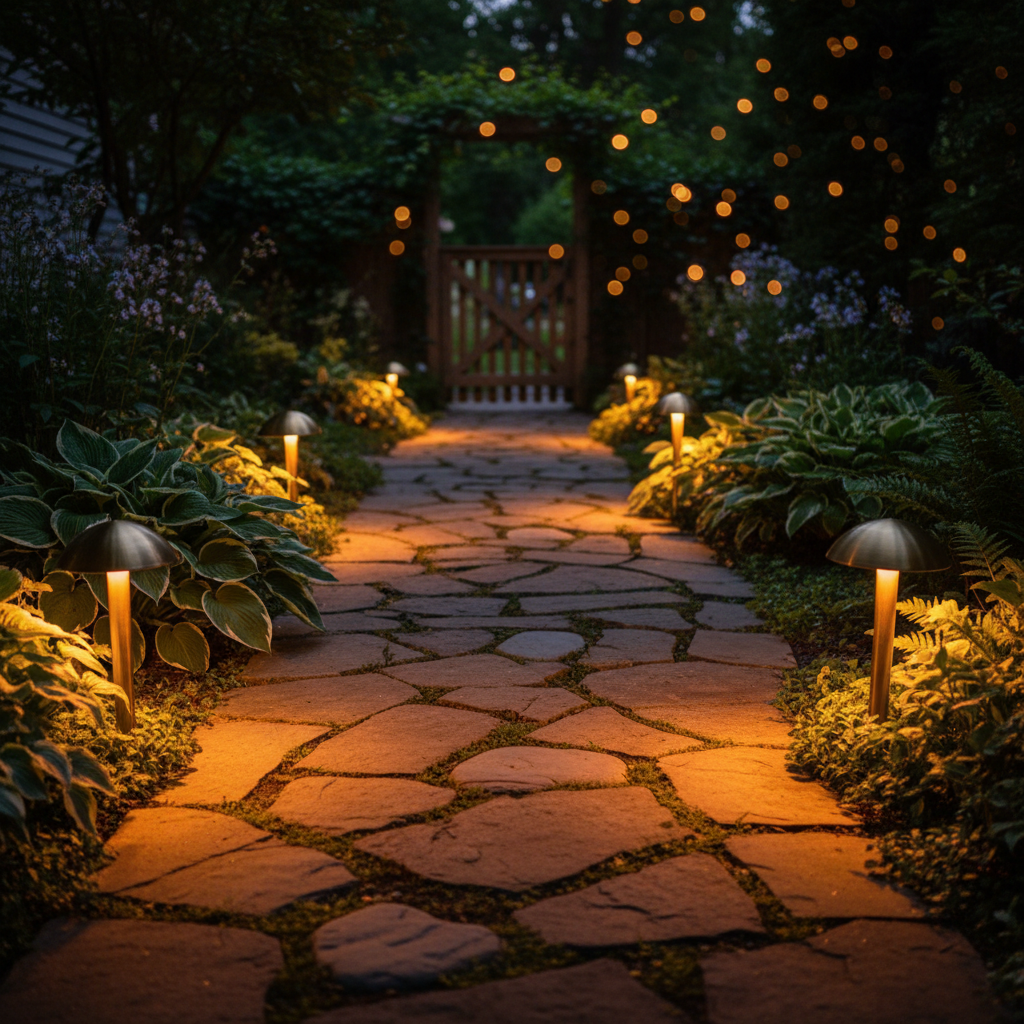
Outdoor lighting transforms your Toronto home from sunset onwards, extending outdoor living seasons and adding sophisticated ambiance to landscapes. Whether you own a modest townhome or a sprawling estate property, strategic lighting design enhances curb appeal, improves security, and creates inviting outdoor spaces where family and friends gather. This guide presents 15 outdoor lighting design ideas specifically suited to Toronto properties, incorporating proven techniques from professional landscape lighting specialists.
1. Uplighting Tree Canopies with Moonlighting Effect
Place uplights beneath mature trees to illuminate canopies from below, creating a moonlighting effect that casts natural shadows across your landscape. This technique works exceptionally well for evergreens like spruce and pine common throughout Toronto. Use warm colour-temperature LED fixtures (2700K-3000K) to enhance natural foliage colours. Position fixtures 3-5 feet from tree bases, angling upward at 45-60 degrees. This creates depth, focal points, and romantic ambiance across your entire property.
2. Pathway Lighting with Curved Lines
Line walkways and paths with ground-level path lights spaced 4-5 feet apart, following curved rather than rigid lines. This subtle lighting approach guides visitors safely while creating visual interest. Space fixtures closer on curves to maintain consistent illumination. Low-level path lights (6-12 inches high) from Kichler or WAC Lighting prevent harsh shadows and glare. This technique extends perceived property depth and adds elegant structure to landscape design.
3. Deck and Patio Ambient Lighting
Soften outdoor entertaining spaces with ambient deck and patio lighting using recessed deck rail lights, stair lights, and soffit-mounted downlights. Create layered lighting combining ambient (background), task (functional), and accent (focal point) illumination. Warm LED colour temperatures (2700K) create inviting, social atmospheres ideal for evening gatherings. This layering approach provides both function and aesthetics, making outdoor spaces feel like extensions of your home interior.
4. Driveway Edge Lighting
Define driveway edges with low bollard or pathway lights positioned every 4-6 feet along boundaries. This subtle lighting approach improves safety for vehicles and pedestrians while adding elegant structure. Bollard lights (12-24 inches high) from FX Luminaire provide architectural interest without glare. Toronto's winter snowfall makes clear driveway delineation especially valuable, preventing snow removal equipment from damaging landscaping.
5. Architectural and Facade Lighting
Highlight home architectural features using directional accent lighting. Spotlight shutters, stone chimneys, ornamental roof lines, or textured walls with upward-angled fixtures. Use colour-corrected warm white (3000K) LEDs to enhance architectural materials authentically. Strategic facade lighting adds significant curb appeal and property value, especially on historic or architecturally distinctive Toronto homes built during the Victorian or Edwardian eras.
6. String and Bistro Lighting for Outdoor Dining
Create intimate outdoor dining atmospheres by stringing warm Edison or vintage-style bulbs across patios, pergolas, or between posts. This technique, popular in Toronto's many indoor-outdoor restaurants, replicates Parisian cafe ambiance while providing functional task lighting for evening dining. LED string lights use minimal electricity while creating substantial visual impact. This approach extends outdoor entertaining season through Toronto's cooler months.
7. Grazing Technique for Textured Plantings
Illuminate textured shrubs, ornamental grasses, or garden beds using grazing - positioning low fixtures close to plantings at shallow angles. This technique creates dramatic shadow patterns and highlights plant textures. Especially effective for Japanese maples, decorative grasses, and evergreen arrangements common in Toronto gardens. Grazing reveals plant form and structure that remains invisible during daylight hours, adding nocturnal garden dimension.
8. Focal Point Accent Lighting
Spotlight prominent landscape features - water features, statuary, specimen plants, or architectural elements - using directional accent fixtures. Accent lighting draws the eye to important focal points, creating visual hierarchy across properties. Single accent fixtures often provide maximum impact with minimal fixture count. Professional landscape lighting design typically includes 2-4 accent lights per property, strategically positioned to guide views and enhance property composition.
9. Pool and Water Feature Lighting
Submerged pool lights, underwater fountain illumination, and perimeter water feature lighting create dramatic focal points. Warm colour temperatures (2700K) soften water reflections while cool colours (5000K) enhance water clarity for safety. Submersible fixtures require weatherproof IP68 ratings for continuous water immersion. This technique transforms swimming pools into nighttime focal points while improving safety for evening use.
10. Garden Bed Accent Lighting
Highlight perennial garden beds with uplighting that illuminates flowers and foliage. Position fixtures subtly behind plantings to light from within rather than creating harsh shadows. This approach adds colour and dimension to nighttime landscapes. Especially effective for flower beds featuring seasonal blooms - spring tulips, summer roses, or autumn chrysanthemums illuminate beautifully with proper angle and colour temperature selection.
11. Silhouetting with Backlighting
Position uplights behind specimen plants to create silhouettes against home facades or walls. This advanced technique reveals plant form and branching structure through shadow patterns. Silhouetting works exceptionally well for trees with distinctive branch patterns - Japanese maples, birches, and deciduous ornamentals. This dramatic effect adds sculptural dimension to nighttime landscapes while minimizing light pollution.
12. Security and Motion-Activated Lighting
Position motion-activated flood lights at entry points, driveway approaches, and dark property corners to improve security and deter unwanted activity. Modern motion sensors are highly adjustable, minimizing nuisance triggering while ensuring reliable activation. Combine motion lighting with ambient pathway fixtures for balanced security and aesthetic appeal. Motion-activated fixtures reduce energy consumption while providing on-demand brightness when needed.
13. Retaining Wall Accent Lighting
Illuminate stone or brick retaining walls using upward-angled fixtures that highlight texture and material character. Retaining wall lighting adds visual interest to landscape transitions while improving safety on multi-level properties. Positioning fixtures at wall bases, angled upward at 30-45 degrees, creates dramatic texture highlighting. This technique works especially well for properties with sloped terrain, common throughout Toronto's diverse neighborhoods.
14. Gazebo and Pergola Ambient Lighting
Install overhead lighting within gazebos or pergolas to create intimate outdoor living spaces. Pendant lights or concealed strip lighting along structural beams provide soft ambient illumination suitable for evening relaxation. This approach makes outdoor structures feel like extensions of home interior spaces. Dimming capabilities enhance flexibility, allowing brightness adjustment based on occasion and preference.
15. Layered Multi-Level Property Lighting
Combine all previous techniques into comprehensive multi-level lighting systems that illuminate properties from ground level through tree canopy. Professional landscape design uses layering to create visual depth, guide movement through spaces, and establish hierarchy across properties. Strategic fixture placement reveals property character, improves perceived property size, and extends outdoor entertaining season throughout Toronto's climate zones.
Professional Lighting Design Principles
Colour Temperature Selection: Warm (2700K-3000K) LED lighting enhances natural materials, creates inviting atmospheres, and complements architectural features. Cool (5000K+) lighting suits commercial or security applications where clarity takes priority over ambiance.
Glare Control: Proper fixture selection, positioning, and shielding prevent harsh glare that diminishes design quality. Fixtures should direct light downward and inward, not toward neighbours or sky.
Energy Efficiency: LED technology uses 80% less electricity than halogen fixtures while providing superior colour rendering and longevity. 12V low-voltage systems are inherently more efficient than 120V line voltage alternatives.
Related Services
Related Articles
These design techniques enhance properties throughout Oakville, Burlington, and all GTA municipalities.
View Oakville Service AreaFrequently Asked Questions
What is the most popular outdoor lighting technique?
Uplighting tree canopies with moonlighting effects is the most requested technique. It creates dramatic focal points, adds depth to properties, and requires minimal fixtures to achieve maximum visual impact.
How many outdoor lighting fixtures do I need?
Most Toronto homes require 6-15 fixtures for comprehensive lighting. Small townhouses may use 4-6 fixtures. Larger estates require 15-25+ fixtures. Professional design consultations assess specific property characteristics to recommend appropriate fixture counts.
What colour temperature should I choose?
Warm colour temperatures (2700K-3000K) enhance natural materials and create inviting atmospheres. Most Toronto homeowners prefer warm lighting for residential properties. Cool temperatures (5000K+) suit security or commercial applications.
Can I add smart home controls to landscape lighting?
Yes. Modern landscape lighting systems integrate with smart home platforms, allowing smartphone control, scheduling, and dimming. Smart integration costs $500-$1,500 but provides convenience and energy savings.
How does lighting perform during Toronto winters?
Premium LED fixtures from FX Luminaire and WAC Lighting are rated for Canadian winters including -30°C temperatures and freeze-thaw cycles. IP65+ waterproofing prevents water infiltration that causes failures. Professional systems perform reliably through Toronto's harshest winters.
Transform Your Toronto Home With Professional Lighting
Schedule a free design consultation to explore these techniques for your property. Our specialists will design a custom system tailored to your home and vision.
Get Free Design Consultation